
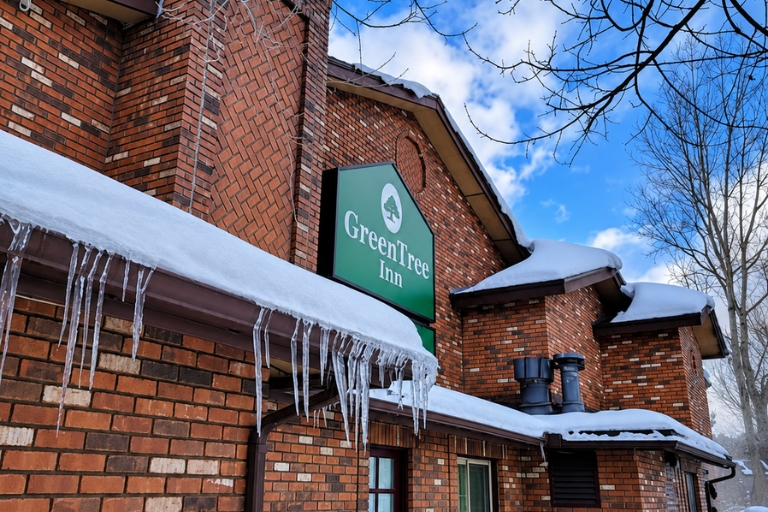
Whether you are driving up from the desert heat of Phoenix or flying in from the coast, arriving in Flagstaff feels like entering a different world. The air is crisper, the Ponderosa pines are towering, and the San Francisco Peaks dominate the horizon. However, there is one invisible factor every traveler needs to account for: the altitude. At 7,000 feet above sea level, Flagstaff’s atmosphere is significantly thinner than what most visitors are used to.
If you aren’t prepared, the transition from sea level to the high country can lead to a sluggish start to your vacation. That is why smart travel to Northern Arizona isn’t just about picking the right trails; it’s about choosing a hospitality that prioritizes your physical well-being.
The First 24 Hours: Using Hotel Amenities to Acclimatize Without Missing a Day of Hiking
The “Unique Hook” for a successful Flagstaff trip is mastering the first 24 hours. Many visitors make the mistake of hitting the Humphreys Peak trail or walking miles through downtown the moment they drop their bags. At 7,000 feet, your body is working twice as hard to oxygenate your blood. To ensure you don’t spend your second day in bed with a headache, your first day should be focused on “passive recovery.”
When you check into a top hotel in Flagstaff like GreenTree Inn Flagstaff that visitors trust for comfort, your first stop shouldn’t be the hiking trail; it should be the lobby. Strategic hydration is the single most effective way to combat altitude sickness. As the air here is incredibly dry, you lose moisture simply by breathing. Our 24-hour hydration station, featuring fresh coffee, tea, and filtered water, isn’t just a perk; it’s a medical necessity for those arriving from lower elevations. By sipping water or herbal tea consistently from the moment you arrive, you help your kidneys manage the pH changes associated with altitude adjustment.
Spend your first evening enjoying the property’s amenities. Take a light dip in our heated pool or relax in the spa. These low-impact activities help keep your circulation moving without overtaxing your lungs, allowing your red blood cell count to begin its natural adjustment to the mountain air.
The Science of “Mountain Rest”
Thin air doesn’t just affect your breathing; it can disrupt your sleep patterns. High-altitude insomnia is a real phenomenon where the body’s breathing rhythm changes during the night, often leading to a restless first few nights.
This is where the environment of your room becomes a critical part of your “wellness service” package. Our guest rooms are fully climate-controlled, allowing you to maintain a consistent, cool temperature that mimics the ideal sleeping conditions for recovery. Combined with premium bedding and a quiet atmosphere away from the heavy congestion of the downtown train tracks, the environment is designed to help your heart rate settle. When your body is working overtime to adapt to the elevation, a deep, uninterrupted night of sleep is the best “performance enhancer” you can have for the next day’s adventures.
Fueling for the Ascent
Before you head out to explore the Coconino National Forest or the Grand Canyon, your body needs a specific kind of fuel. High-altitude environments cause the body to burn carbohydrates more quickly.
Our daily hot breakfast buffet provides the complex carbs and proteins required to maintain your blood sugar levels as you navigate the hills of Northern Arizona. Starting your day with a hot meal on-site saves you the stress of hunting for a restaurant in the morning, letting you focus entirely on your itinerary.
The Flagstaff “All-Season” Packing List
To stay comfortable at 7,000 feet, you have to dress for a climate that can change in an instant. Even in the height of summer, temperatures can drop by 30 degrees the moment the sun dips behind the peaks.
Spring (March – May):
- The Layered Approach: Expect everything from late-season snow to 65-degree afternoons.
- Essentials: A waterproof windbreaker, moisture-wicking base layers, and high-SPF sunscreen (the sun is much stronger at high altitudes).
Summer (June – August):
- Monsoon Ready: July and August bring afternoon thunderstorms.
- Essentials: Breathable hiking boots, a lightweight rain shell, and a reusable water bottle to refill at our 24-hour station.
Fall (September – November):
- The Golden Window: The changing aspens are breathtaking, but the air gets crisp.
- Essentials: A fleece or light down jacket, lip balm (to prevent altitude-induced chapping), and polarized sunglasses.
Winter (December – February):
- The Alpine Experience: Flagstaff is a premier ski destination, and it gets cold.
- Essentials: Heavy insulated coat, thermal leggings, waterproof gloves, and beanies.
Why Location and Service Matter
When you are looking for a hotel in Flagstaff, Arizona, which serves as a gateway to the Grand Canyon and Arizona Snowbowl, logistics are everything. Our property is situated to give you the best of both worlds: easy access to the natural wonders of the region and a quick route to the amenities of the city.
By choosing a property that understands the specific needs of high-altitude travelers, from the necessity of 24-hour hydration to the importance of a protein-rich breakfast, you aren’t just booking a room; you are securing a successful trip. We take pride in being the “Basecamp for Adventure,” where the service is as elevated as the location.
Ready to Embrace Flagstaff’s High-Altitude Charm?
Flagstaff offers a unique and refreshing experience for travelers seeking adventure at high altitudes. While adjusting to the 7,000-foot elevation can be challenging, GreenTree Inn Flagstaff is here to make your transition smooth and enjoyable. From our 24-hour hydration station to our climate-controlled rooms, we provide everything you need to stay comfortable and acclimatize without missing a day of hiking or exploring.
With the right preparation and our thoughtful amenities, your Flagstaff getaway will be filled with unforgettable experiences, whether you’re hiking the trails, stargazing, or simply soaking in the beautiful surroundings.
Ready to start your Flagstaff adventure? Book your hotels at GreenTree Inn Flagstaff today. Our comfortable, wellness-focused accommodations are designed to help you adjust to the altitude and make the most of your time in this beautiful destination.
Frequently Asked Questions (FAQs)
1. How long does it typically take to acclimate to Flagstaff’s altitude?
Most people begin to feel more comfortable within 24 to 48 hours. The key is to avoid overexertion during your first day and utilize our 24-hour hydration station to keep your fluid levels high.
2. Does the hotel provide free parking for guests?
Yes, we offer complimentary on-site parking for our guests. This makes it easy to load and unload your hiking or skiing gear without the hassle of downtown parking meters.
3. Is breakfast included in my stay?
Absolutely. We provide a daily hot breakfast buffet to help you fuel up for your mountain adventures, featuring a variety of options to suit different dietary needs.
4. What should I do if I start feeling the effects of altitude sickness?
The best remedy is to rest, hydrate, and avoid caffeine or alcohol. Our staff is available 24/7, and our lobby always has water and tea available to help you rehydrate. If symptoms persist, Flagstaff has excellent medical facilities just minutes from the hotel.
5. Is the pool heated year-round?
Our pool and spa area is designed for guest relaxation. Please check with the front desk upon arrival for seasonal hours and availability, as these are perfect tools for muscle recovery after a day of hiking.
6. How far is the hotel from the Grand Canyon?
We are approximately 80 miles from the South Rim of the Grand Canyon, making us an ideal and cost-effective “basecamp” for day trips to the National Park.
7. Does the hotel offer high-speed Wi-Fi for remote work?
Yes, we offer free high-speed Wi-Fi throughout the property. Many guests find our quiet rooms and reliable connection perfect for checking in with work before heading out to explore the outdoors.